Gaming Trends 2026: What Brands Need to Know About the Future of Fan Engagement
In this article
Gaming is no longer a subculture. It is infrastructure.
What used to be considered “esports marketing” is now a central pillar of global brand strategy. The lines between gaming, sport, entertainment and live broadcast have dissolved. And the brands that understand this shift are building deeper, longer-lasting fan ecosystems.
Here are the key gaming trends shaping 2026 — and what they mean for rights holders, publishers and brands.
1. Gaming IP Is Now Mainstream Entertainment
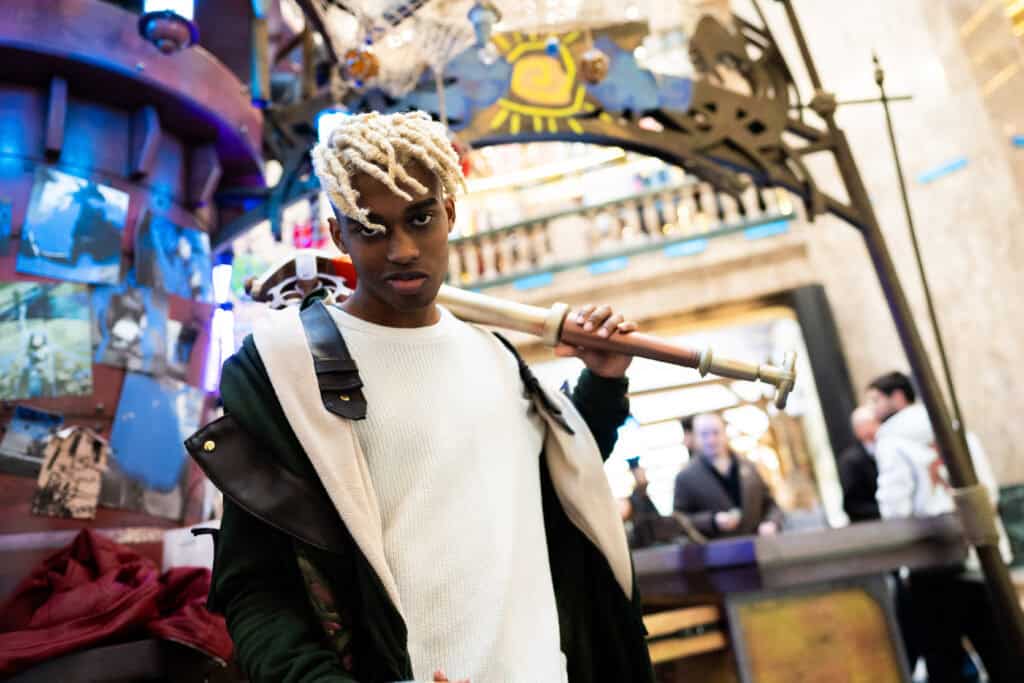
Franchises born inside games are now global entertainment properties.
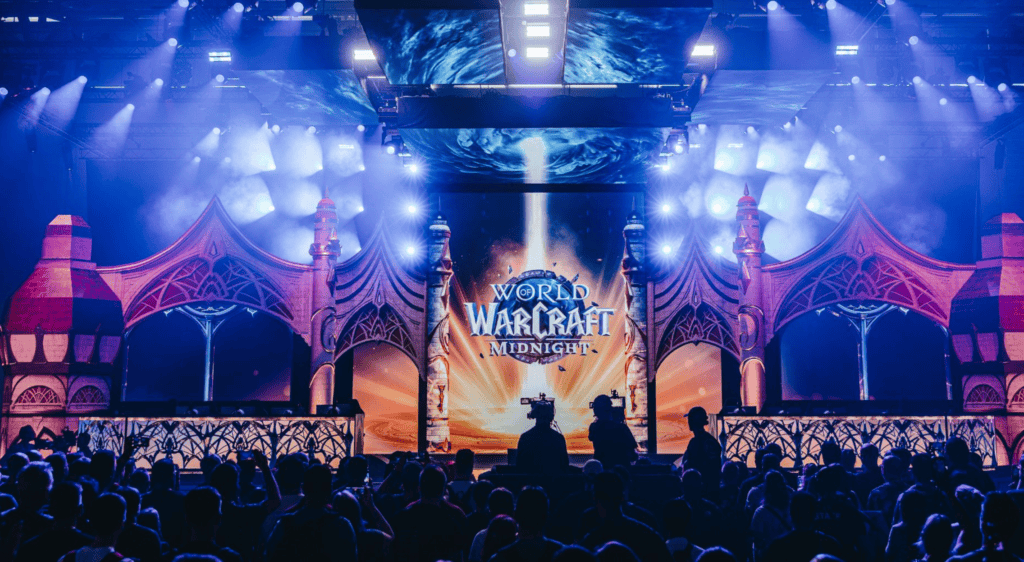
Major launches are no longer confined to patch notes or trailers. They are multi-day live events. Cultural moments. Broadcast spectacles.
For brands, this means gaming partnerships must operate at the same level as sports sponsorships or major music festivals. It’s not about logo placement. It’s about shared cultural capital.
Gaming IP today behaves like global sport.
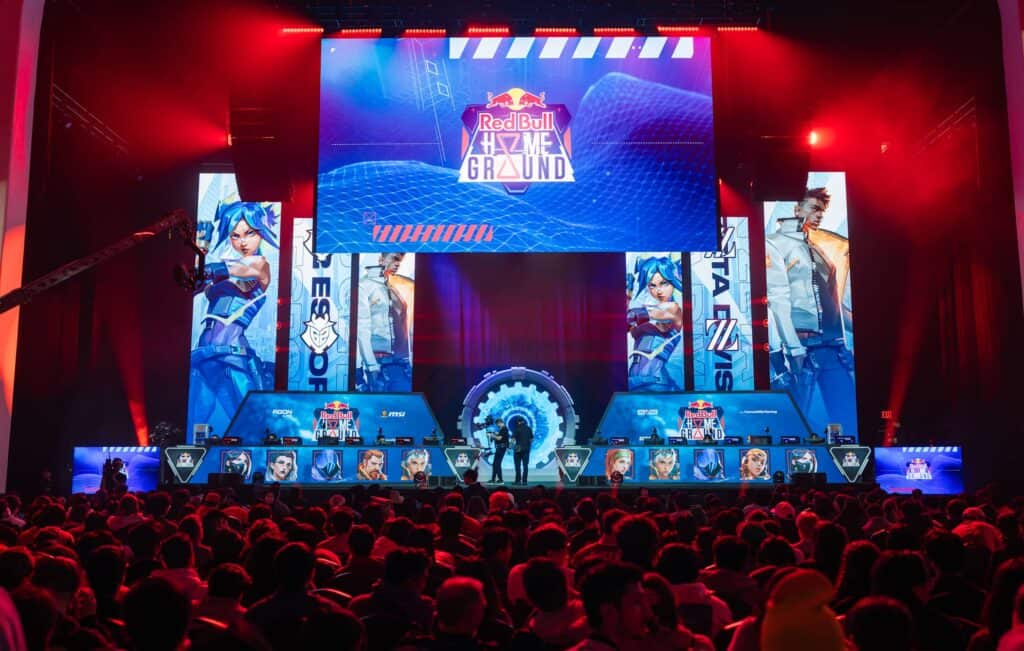
2. Experiential Gaming Is Replacing Passive Marketing
Fans no longer want to be told a story. They want to step inside it.
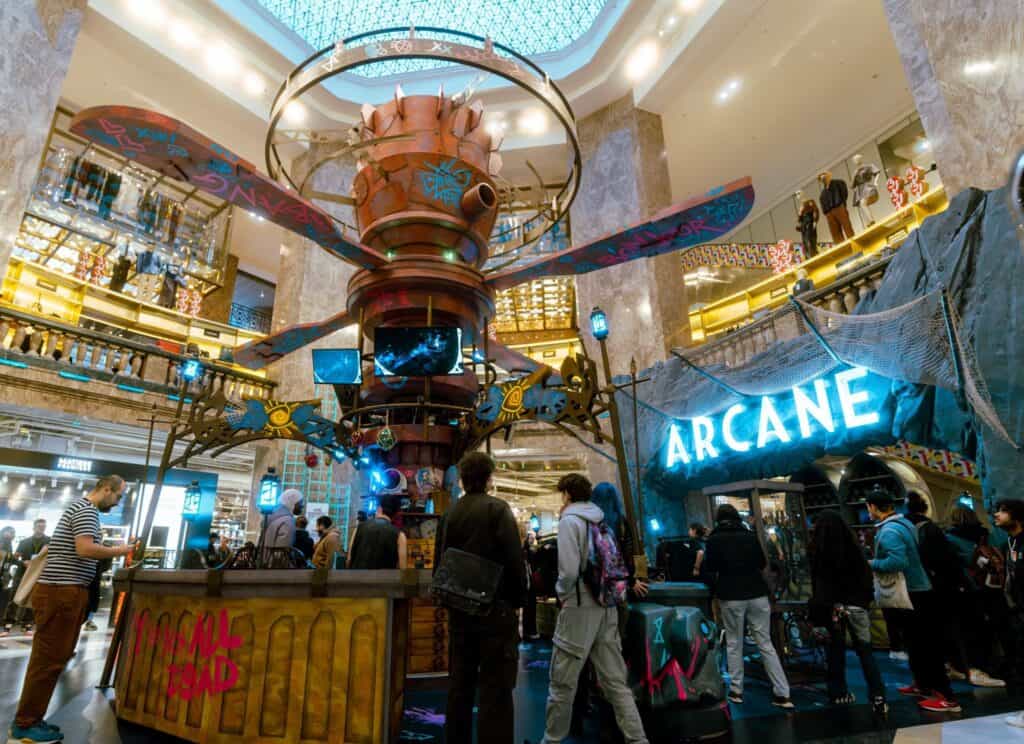
The most successful gaming activations now combine:
- Physical immersion
- Creator participation
- Livestream integration
- Community competition
Live events are no longer standalone. They are content engines designed to feed digital distribution in real time.
This shift toward immersive gaming experiences is changing how brands think about experiential marketing. Static booths are out. Interactive ecosystems are in.
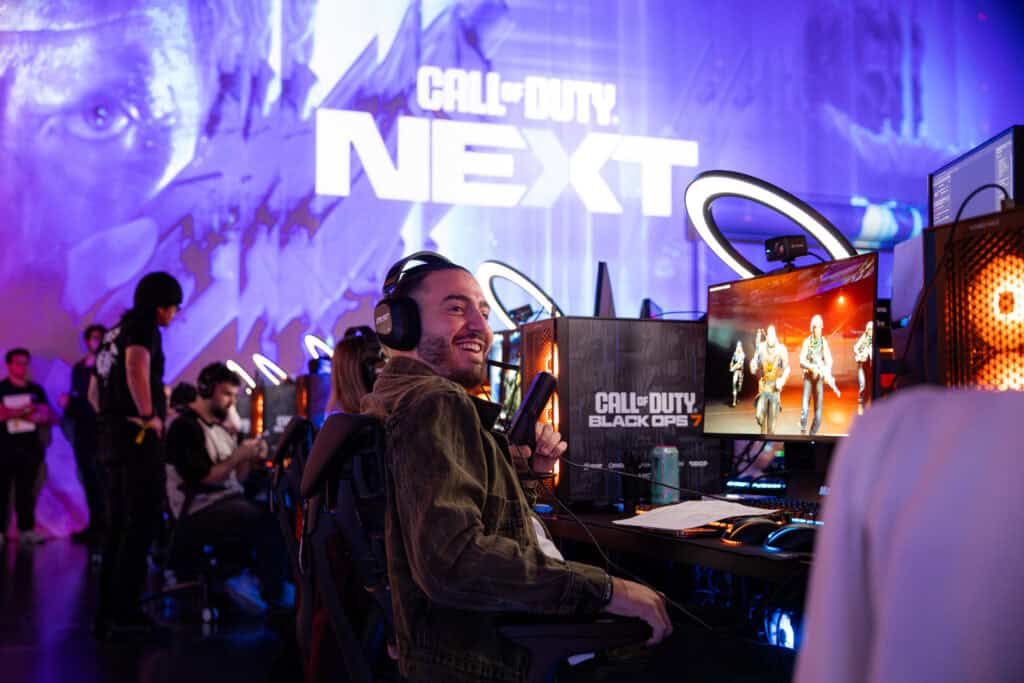
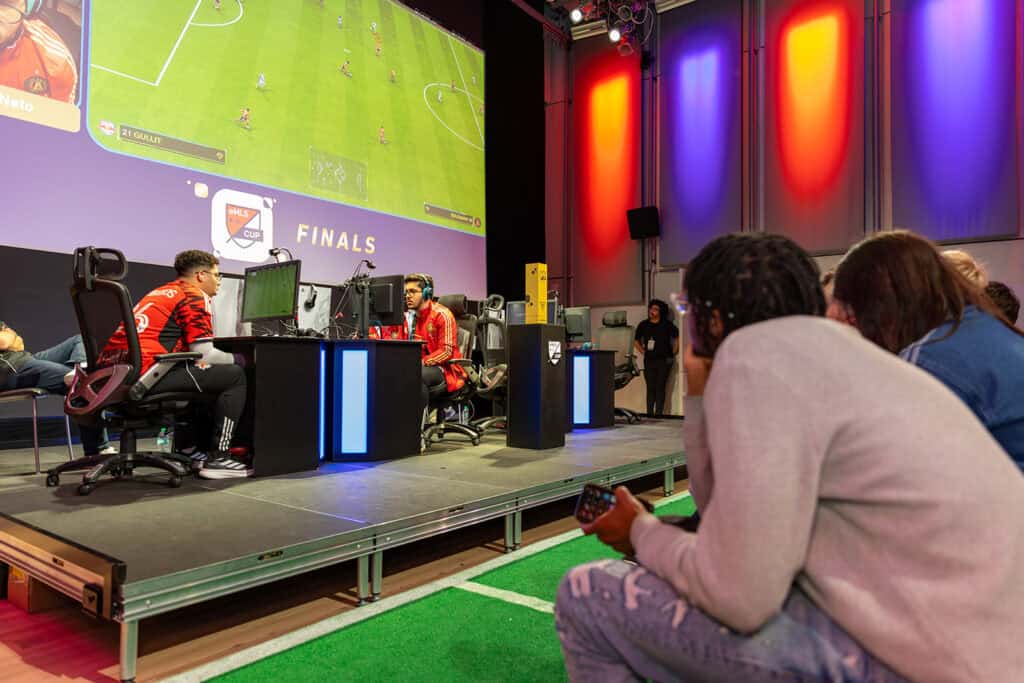
3. Livestream Is the Primary Broadcast Layer
Livestream is no longer an add-on to events. It is the primary distribution model.
Events are being designed from the ground up to serve both the in-room audience and the global digital audience simultaneously.
The production expectation has changed:
- Multi-camera broadcast quality
- Real-time clip distribution
- Creator co-stream integration
- Interactive overlays and match mechanics
Brands entering gaming must think like broadcasters.
4. Creator-Led Ecosystems Are the New Media Model
Gaming culture is creator-native.
Traditional media buying does not translate. Instead, influence is distributed across creators who function as cultural translators for their communities.
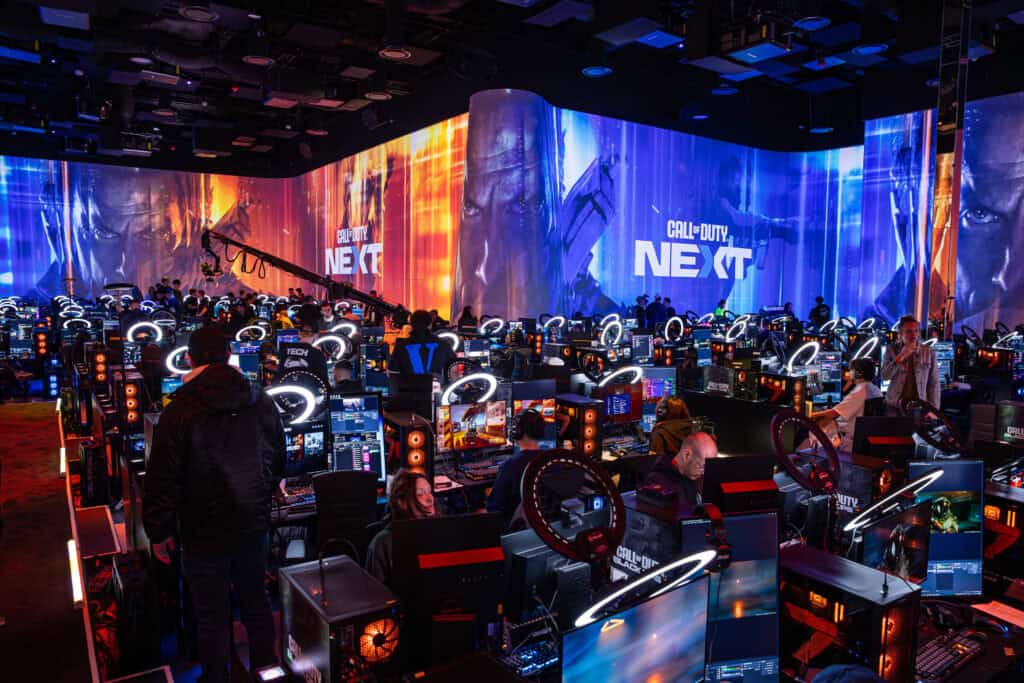
Smart brands are:
- Building creator-first launch models
- Embedding influencers into live formats
- Designing activations that generate organic, community-driven amplification
The shift is from paid media to participatory media.
5. Sports and Gaming Are Converging
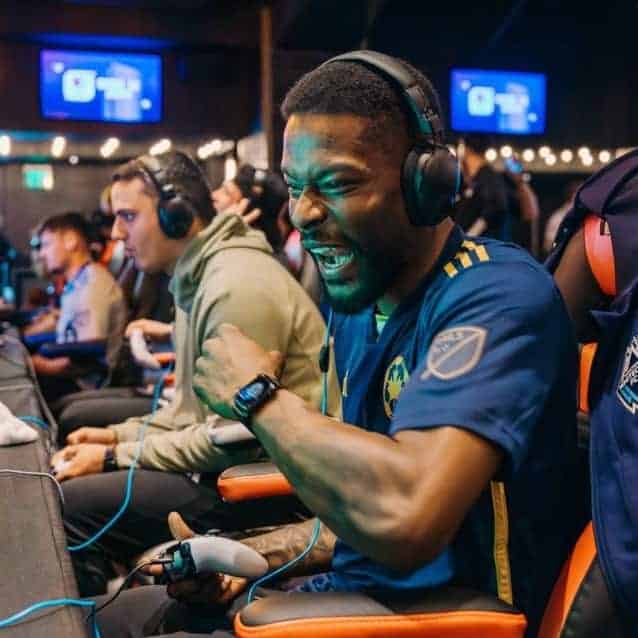
Competitive gaming formats are borrowing from traditional sport.
Meanwhile, sports leagues are adopting gaming-native storytelling, interactive broadcast and creator collaboration.
We are entering a hybrid era where:
- Esports feels like sport
- Sport feels like gaming
- Broadcast feels like content
- Content feels like community
Brands operating in either space must understand both.
6. Fan Engagement Is Now a Long-Term System
The biggest mistake brands make in gaming is treating it as a one-off activation.
Gaming communities reward consistency. They expect:
- Ongoing narrative
- Competitive arcs
- Seasonal storytelling
- Long-term ecosystem investment
Fan engagement is no longer a campaign. It is an operating system.
What This Means for Brands
Gaming is not just an audience channel. It is a culture layer.
To succeed, brands must integrate strategy, broadcast, experiential production and content creation under one unified model.
This is where many organisations struggle. Silos slow down execution. Broadcast teams do not speak experiential. Marketing teams do not speak competitive.
The future belongs to integrated systems.
The Bottom Line
The next generation of fans is not waiting for brands to catch up.
They are participating. Streaming. Competing. Building communities in real time.
The brands that win in gaming will be those that understand:
- Culture before campaigns
- Ecosystems before moments
- Integration before scale
Gaming is no longer emerging.
It is foundational.